How to Plant Asparagus Crowns: 5 Tips for a 20-Year Harvest
I still remember the first time I dug a trench for asparagus crowns. It was a chilly April morning, and I had just spent $35 on a bundle of gnarly, octopus-like roots that looked nothing like the tender green spears I was hoping for. My neighbor, a retired gardener with a 30-year-old asparagus bed, just laughed. 'Patience,' he said. 'You're not planting a crop. You're starting a dynasty.' He wasn't wrong. That single afternoon of work has now given me fresh asparagus every spring for nearly a decade, with at least another decade to go. If you're ready to make that kind of long-term investment in your garden, here are five tips for planting asparagus crowns that will set you up for a 20-year—or longer—harvest.
Why Asparagus Crowns Are a Long-Term Investment (and What You Need to Know Before Planting)
Asparagus is the closest thing to a permanent vegetable patch you can grow. Unlike tomatoes or lettuce, which you replant every year, a well-established asparagus bed can produce for 20 to 30 years without being disturbed. That's the kind of payoff that makes the upfront work totally worth it. But here's the trade-off: you won't be eating from it for the first two years. I know, that stings. When I first planted my crowns, I had to watch my neighbors pull fistfuls of spears while I snipped only a few for a single side dish in year two. It tested my gardening patience like nothing else.
The key is understanding that those first two years are all about root development. Asparagus is a perennial, and the ferny foliage that shoots up after harvest is actually feeding the crown below ground, building energy for future seasons. If you harvest too early or too much, you rob the crown of that energy, and your bed will fizzle out in a few years. So before you even buy crowns, commit to the long game. You'll need a spot that gets full sun (at least eight hours a day), has well-drained soil, and won't be shaded by trees or structures. This isn't a crop you can move easily once it's in.
Also, choose your crowns wisely. Look for 1-year-old crowns from a reputable nursery. They should be firm, not mushy, with several fat, fleshy roots and a few dormant buds (the 'eyes') at the top. Avoid crowns that look shriveled or have broken roots. I've learned the hard way that cheap, dried-out crowns often fail to thrive, costing you a year of growth.
Tip #1: Choose the Right Crowns and Prep Them for Success
Not all asparagus crowns are created equal. For a home garden, I strongly recommend all-male hybrids like 'Jersey Knight' or 'Jersey Supreme.' Why? Female plants put energy into producing red berries (seeds), while male plants channel all that energy into spear production. All-male varieties can yield up to three times more than older, open-pollinated types. That's not a small difference—it's the difference between a decent side dish and enough to freeze for winter.
When your crowns arrive, open the package immediately. They're living roots, and they need to stay moist. If you can't plant them within a day or two, store them in a cool, dark place (like a refrigerator) wrapped in damp newspaper. Before planting, soak the crowns in lukewarm water for 30 minutes to an hour. This rehydrates any roots that dried out during shipping. I also trim any long, straggly roots back to about 4–6 inches. That might sound harsh, but it encourages the roots to branch out once they're in the ground, rather than just circling the planting hole.
One more thing: never plant crowns that show signs of rot or mold. A few soft spots are okay if you cut them away, but if the whole crown smells sour or feels slimy, toss it. You're better off buying fresh ones than nursing a sick plant that will drag down your whole bed.
Tip #2: Site Selection and Soil Prep – The Bed That Keeps Giving
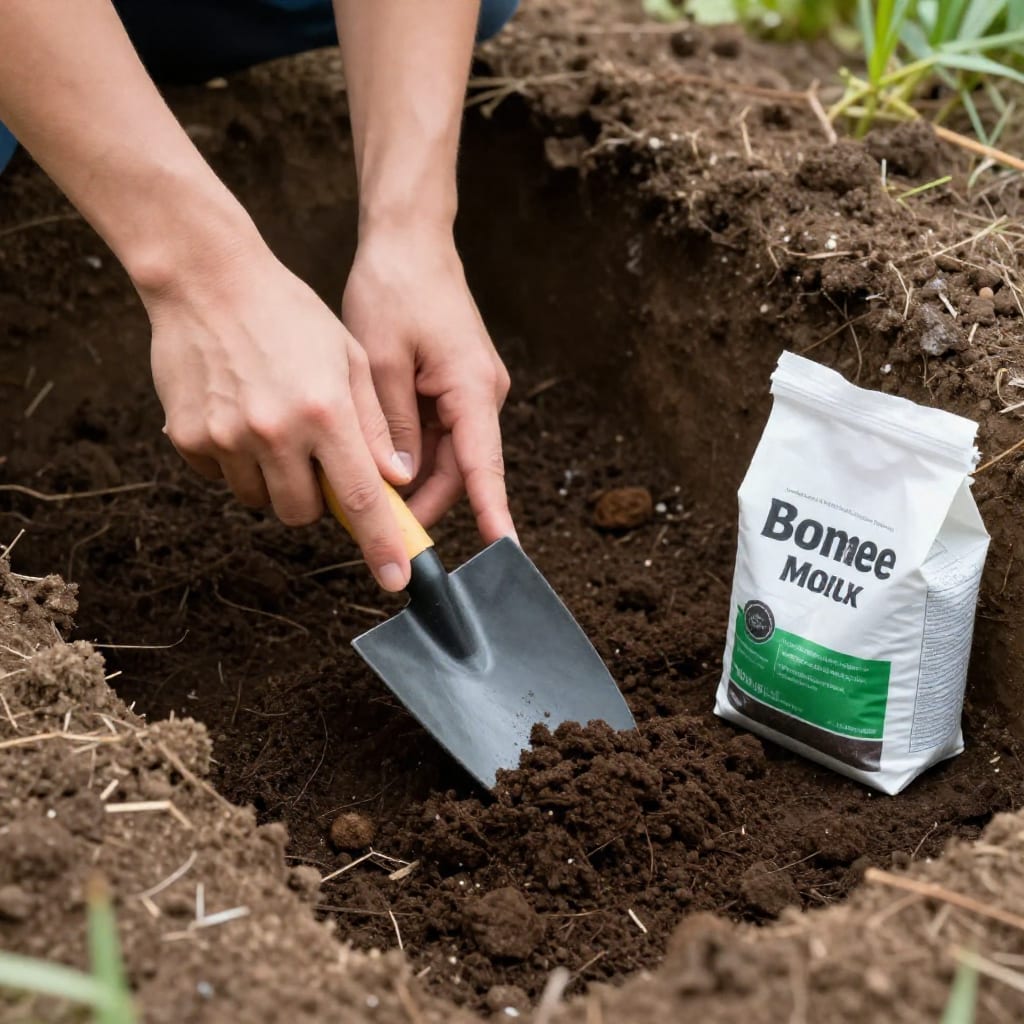
I can't overstate how important soil preparation is for asparagus. This is a crop that will live in the same spot for two decades, so you need to get the bed right from the start. I spent an entire afternoon digging a 4-foot-wide, 12-inch-deep trench for my first bed, and it was the best garden labor I've ever done. Here's the routine:
- Test your soil pH. Asparagus prefers a pH between 6.5 and 7.5, slightly above neutral. If your soil is too acidic (common in rainy climates), add lime a few months before planting to raise the pH. I tested mine and found it at 6.2, so I worked in about 5 pounds of garden lime per 100 square feet.
- Dig deep. Loosen the soil to at least 12 inches deep. Asparagus roots can reach 6 feet or more in loose soil, but even a foot of well-prepared soil will give them a strong start. Remove all rocks, roots, and weeds—especially perennial weeds like bindweed or quackgrass, which will compete for years.
- Amend heavily. Mix in 2–3 inches of well-rotted compost or aged manure, along with a balanced fertilizer like 10-10-10 (about 1 pound per 50 square feet). Phosphorus is especially important for root development, so I also add a handful of bone meal per trench foot. Avoid fresh manure—it can burn the crowns.
- Ensure drainage. Asparagus crowns will rot in soggy soil. If your garden has heavy clay, consider building a raised bed or mounding the rows. I've seen neighbors lose entire beds to a single wet spring.
Tip #3: The Right Planting Depth and Spacing (Don’t Skimp Here)
Planting depth is where most beginners trip up. Asparagus crowns need to be planted 6 to 8 inches deep—measured from the top of the crown to the soil surface. Here's the method I use, and it's never failed me:
- Dig a trench about 8 inches deep and 12–18 inches wide (for a single row).
- Mound up a small ridge of soil along the bottom of the trench, about 2 inches high.
- Set each crown on top of the ridge, spreading the roots out evenly like an octopus. Space crowns 18 inches apart within the row, and rows 4–5 feet apart if you're planting more than one row.
- Cover the crowns with 2–3 inches of soil. Don't fill the trench all the way yet! Over the next few weeks, as the shoots grow, gradually fill in the trench with more soil until it's level with the ground. This protects the tender shoots and encourages deep root growth.
- Water thoroughly after covering.
Why 18 inches apart? I've seen people plant crowns 12 inches apart to maximize yield, but that leads to overcrowding and smaller spears in later years. Give them room to spread. In my own garden, I planted 20 crowns in a 30-foot row, and now in year eight, each crown produces spears as thick as my thumb.
Tip #4: Water, Mulch, and Weed Control for First-Year Crowns
The first growing season is critical. Asparagus crowns are establishing their root system, and they need consistent moisture—about 1 to 1.5 inches of water per week, either from rain or irrigation. I use a soaker hose laid along the trench, which delivers water directly to the roots without wetting the foliage. Drip irrigation works even better.
Weeds are the enemy. Asparagus hates competition, and shallow-rooted weeds can steal nutrients and water from the developing crowns. I hand-weed carefully around the emerging spears, using a hoe only between rows to avoid disturbing the roots. Once the ferns are about a foot tall, I lay down a 3–4 inch layer of organic mulch—straw or shredded leaves work great. Mulch suppresses weeds, retains moisture, and adds organic matter as it breaks down.
One mistake I made my first year: I let the ferns get too dry in a late-summer heatwave. The tips turned brown and the ferns stopped growing, which set back the crown development. After that, I set a timer on the soaker hose and never missed a week. Keep the soil consistently moist but not waterlogged.
Tip #5: Patience Pays Off – When to Harvest (and When to Wait)
This is the hardest tip to follow, but it's the most important. Here's my rule of thumb, and it's backed by every extension service I've read:
- Year 1: No harvest at all. Let every spear grow into a fern. The more fern growth, the bigger the crown gets for next year.
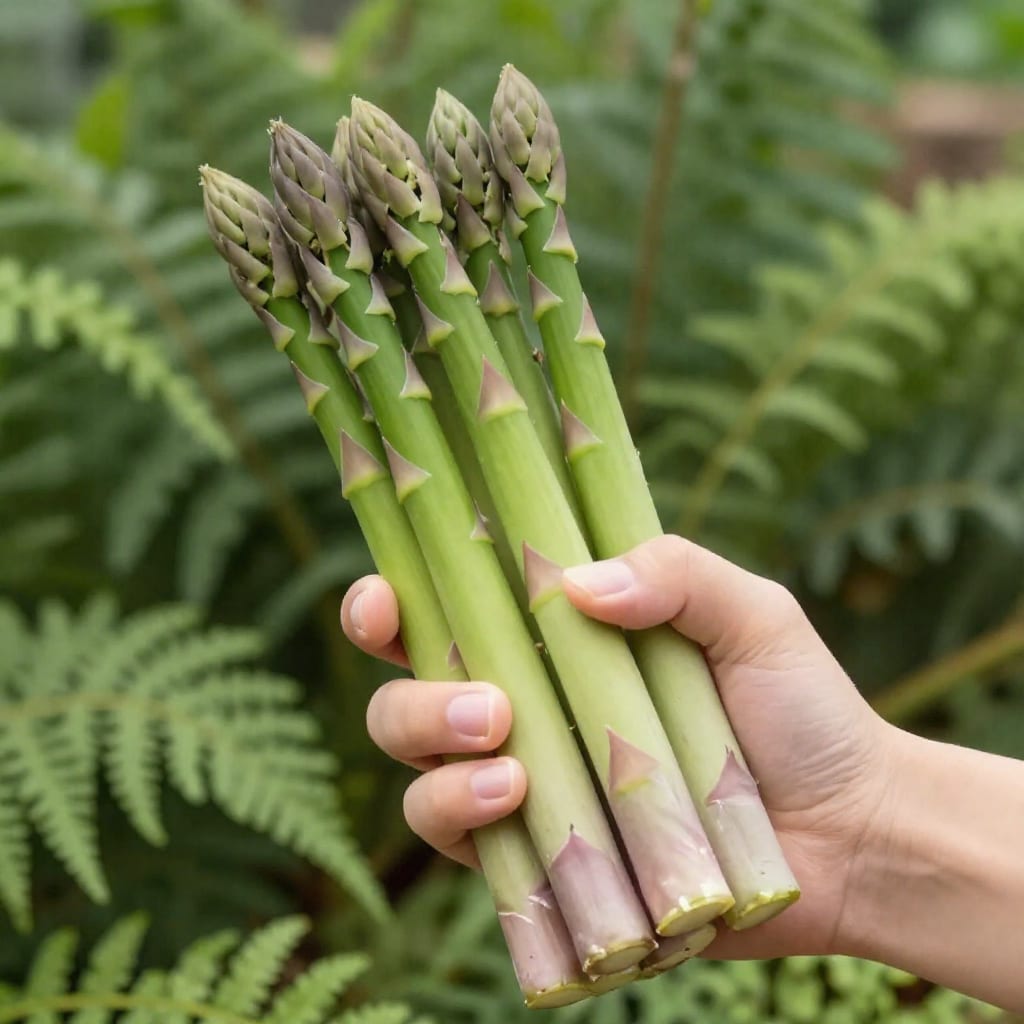
- Year 2: Light harvest for 2–3 weeks. Only pick spears that are at least 5/8 inch thick. Thin, pencil-like spears should be left to grow. Stop harvesting when the spears start to look spindly.
- Year 3 and beyond: Full harvest for 6–8 weeks, or until the spears become thin (about 1/4 inch in diameter). Then let the rest grow into ferns to recharge the crown.
I remember the first time I harvested in year two—I got maybe 15 spears total, which made a sad little side dish. But by year three, I was pulling a pound every other day. By year five, I had enough to blanch and freeze for winter soups. That delayed gratification is real, but it's worth every skipped harvest.
Frequently Asked Questions
How long does it take for asparagus crowns to produce a full harvest?
Typically 3 years from planting crowns to a full harvest: year 1 no picking, year 2 light pick for 2 weeks, year 3 standard 6–8 week harvest. That's the timeline I followed, and it paid off.
Can I plant asparagus crowns in spring or fall?
Spring is best in most climates, as soon as the soil can be worked. Fall planting is riskier in cold zones unless you have mild winters. I've only planted in spring, and it's given my crowns a full growing season to establish before frost.
How many asparagus crowns should I plant for a family?
About 20–30 crowns per person, spaced 18 inches apart in rows, to yield 1–2 pounds per season after establishment. For my family of four, 25 crowns has been perfect.
Do asparagus crowns need fertilizer right away?
Yes, a balanced 10-10-10 or phosphorus-rich starter at planting time, then side-dress with nitrogen in late spring after ferns appear. I use a light application of fish emulsion in June.
Why are my asparagus crowns not growing?
Possible issues: poor drainage, too deep or too shallow planting, heavy clay soil, or damage from frost. Check soil moisture and pH (ideal 6.5–7.5). I once lost a crown to a late frost that killed the emerging spears—protect them with row covers if a frost is forecast.
Practical Takeaway: Planting asparagus crowns is a long-term commitment, but with proper site prep, correct depth, and disciplined patience in the first two years, you can enjoy fresh spears for two decades or more. Start with healthy all-male crowns, give them room to grow, and you'll be rewarded with a perennial vegetable patch that keeps giving year after year.